
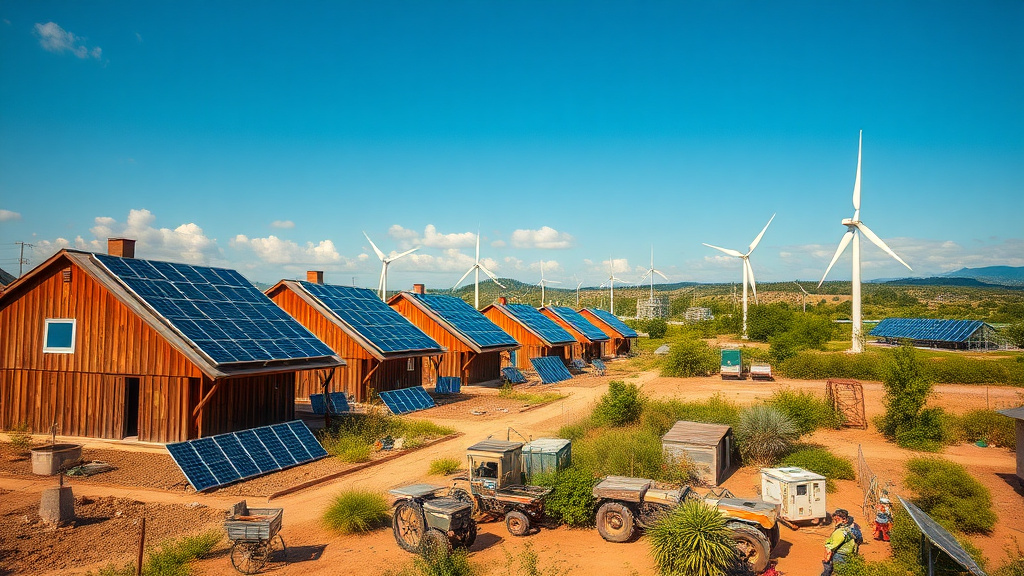
The international shift to renewable energy is achieving unprecedented momentum as governments globally mobilize considerable funding and policy support for clean power infrastructure. From solar and wind farms to hydroelectric projects, nations are rapidly investing in clean energy alternatives to address climate change and decrease carbon emissions. This article analyzes how policy programs, funding mechanisms, and international cooperation are speeding up renewable energy adoption across continents, revolutionizing energy landscapes and reshaping the future of international electricity generation.
International Government Funding Growth in Renewable Energy
Record-Breaking Funding Commitments
Governments globally are channeling substantial funding to clean energy projects, representing a transformative shift in energy policy. In 2023 alone, state funding in clean energy hit an estimated $300 billion, reflecting a significant increase from prior years. Major economies like the United States, European Union nations, and China are committing considerable funding toward renewable energy development. These funding commitments underscore growing recognition of climate imperatives and the long-term economic benefits of phasing out fossil fuels. Targeted investment programs are establishing strong market conditions for clean energy solutions and bringing in increased business involvement.
The acceleration of government investment is driven by various drivers, including falling clean energy prices and enhanced environmental awareness among policymakers. Global climate accords and domestic carbon neutrality goals have created legal frameworks demanding significant renewable funding. Lower-income countries are now obtaining funding assistance through global development organizations and green financing programs, enabling broader global participation. These coordinated funding efforts show that renewable energy transition is not discretionary but essential for domestic financial stability and environmental safeguards. Governments acknowledge that early investment establishes their advantage in the developing green energy sector.
Strategic funding distribution reveals governments’ dedication to broad-based energy shift across various sectors. Funds are allocated to grid modernization, energy storage systems, and advanced infrastructure expansion alongside traditional generation capacity. Government-industry collaborations are facilitating knowledge transfer and advancing technological innovation in renewable energy industries. Funding for workforce development programs ensures availability of trained workers for expanding renewable businesses. This integrated framework resolves infrastructure gaps while establishing job creation and stimulating economic development in regions transitioning from coal and gas dependency.
Policy Structures and Incentive Programs
Governments are putting in place comprehensive policy frameworks designed to accelerate renewable energy adoption through targeted incentives and regulatory mechanisms. Feed-in tariffs, investment tax credits, and clean energy requirements create favorable conditions for project implementation and rollout. These policies reduce financial barriers for both utility-scale and distributed renewable installations, promoting involvement across domestic, business, and industrial sectors. Expedited licensing systems and zoning regulations enable quicker project implementation, shortening development cycles for renewable energy solutions. Unified policy frameworks across jurisdictions boost investor certainty and market stability.
Subsidy programs and economic support mechanisms have proven effective in making renewable energy cost-competitive with traditional energy sources. Tax incentives, direct funding, and favorable financing options reduce capital requirements for renewable projects, enhancing accessibility for diverse stakeholders. Governments are also establishing emissions pricing systems that increase fossil fuel costs while rendering renewables more economically appealing. These support frameworks are strategically crafted to ensure cost-effectiveness while preventing market distortions. Progressive policy frameworks keep developing to tackle emerging challenges and optimize renewable energy integration within existing energy systems.
International Cooperation and Environmental Pledges
Global climate accords are driving historic global cooperation on sustainable energy advancement and rollout initiatives. The Paris Agreement and later environmental conferences create enforceable obligations requiring nations to expand renewable energy portions within their energy portfolios. Developed nations are providing financial and technical assistance to developing countries, facilitating equitable access to clean energy technologies. International organizations coordinate funding mechanisms and knowledge-sharing platforms that advance technology sharing across borders. These joint initiatives acknowledge that climate change transcends national boundaries, requiring coordinated global action.
International development institutions are channeling resources specifically designated for sustainable energy programs in emerging economies and developing nations. Climate finance mechanisms now surpass $100 billion each year, supporting transition efforts in economies with limited internal resources. Technical assistance initiatives promote knowledge transfer regarding best practices in renewable energy implementation and grid integration. Global standards and certification frameworks guarantee implementation quality and environmental standards across diverse geographic regions. This global coordination reinforces joint capacity to address climate challenges while advancing sustainable growth across the globe.
Essential Technologies Fueling the Renewable Revolution
The acceleration of renewable energy adoption is fundamentally powered by technological breakthroughs that make sustainable energy progressively more efficient and affordable. photovoltaic solar systems, wind energy systems, and storage technologies have advanced significantly, lowering manufacturing expenses and improving performance metrics. Government investments support research initiatives, enabling innovations that enhance energy conversion efficiency and integration with grid systems. These innovation improvements create a competitive advantage for renewable energy sources over conventional energy sources, promoting broad market expansion and deployment globally.
Solar and Wind Energy Leadership
Solar energy technology remains at the forefront of renewable energy expansion, with photovoltaic efficiency improvements and manufacturing scale driving dramatic cost reductions. Government subsidies and financial incentives promote residential and commercial solar installations worldwide. Sophisticated tracking technology optimize energy capture throughout the day, while improved panel durability lengthens operational lifespans. These developments position solar as the fastest-growing renewable energy source, attracting substantial private and public investment across developed and developing nations alike.
Wind energy continues to be a foundation of clean energy approaches, with onshore and offshore installations delivering significant power output. Modern wind turbines employ greater power outputs and advanced rotor configurations that maximize power generation in fluctuating wind patterns. Government support through tariff mechanisms and renewable energy mandates drives turbine installation growth. Technological innovations in turbine design and network integration enhance reliability and efficiency, making wind energy growing in competitiveness with conventional power generation methods worldwide.
Emerging Technologies and Innovation
Beyond conventional solar and wind solutions, cutting-edge technologies aim to revolutionize energy generation, storage, and distribution capabilities. Hydrogen fuel cells, advanced battery systems, and geothermal power constitute frontier technologies securing significant government research funding. AI and machine learning systems improve energy distribution networks and anticipate renewable output patterns. These emerging solutions tackle intermittency challenges and enhance grid stability, building comprehensive renewable energy ecosystems that enable sustainable power generation and consumption patterns globally.
Government investment in next-generation renewable technologies shows commitment to sustained energy sustainability and climate objectives. Tidal energy, wave power, and concentrated solar power technologies expand in regions with appropriate geographic conditions. Energy storage advances, particularly next-generation battery systems and pumped hydro systems, resolve renewable energy intermittency challenges. International partnerships speeds up technology transfer and standardization, helping developing nations to leapfrog traditional energy infrastructure and embrace renewable solutions that promote economic growth while minimizing environmental impact.
- Battery storage systems enhance clean energy dependability and grid integration.
- Hydrogen production technologies offer sustainable fuel options for transportation sectors.
- Intelligent grid networks enhance electricity distribution and consumption patterns efficiently.
- Geothermal power delivers reliable baseload energy in seismically active areas.
- Floating photovoltaic systems maximize renewable energy generation in water environments.
Financial and Environmental Impact
Financial Advantages and Employment Growth
The sustainable energy sector is generating significant economic growth and career prospects across the world. State investment in solar, wind, and hydro projects create millions of jobs in manufacturing, installation, maintenance, and research sectors. Countries adopting renewable energy technologies experience decreased energy spending over time, enhanced energy independence, and increased competitiveness in the global clean technology market. Communities benefit from new business opportunities and tax income, while consumers enjoy lower electricity bills as renewable generation expands and running expenses decrease.
Financial institutions are growing to acknowledge renewable energy as a lucrative investment opportunity. Green bonds, climate funds, and government subsidies attract private capital into environmentally responsible initiatives, establishing a solid financial environment. The transition spurs need for trained professionals, engineers, and skilled workers, promoting education and training programs worldwide. Production supply networks for renewable components stimulate industrial growth, particularly in developing nations positioning themselves as renewable energy leaders. This financial growth demonstrates that sustainable practices and financial returns are aligned priorities.
Environmental and Climate Change Benefits
Renewable energy adoption significantly lowers GHG emissions and addresses climate change at an accelerating pace. Unlike traditional energy sources, solar, wind, and hydro technologies produce power without discharging carbon dioxide or harmful pollutants into the atmosphere. This shift significantly improves air quality, reducing breathing disorders and treatment costs in communities near power generation facilities. Renewable energy safeguards natural environments by removing acid rain and water pollution along with thermal pollution resulting from fossil fuel power plants, preserving biodiversity and natural resources.
Government-supported renewable projects contribute substantially to achieving international climate targets outlined in the Paris Agreement. As renewable capacity grows worldwide, cumulative emissions reductions increase dramatically, creating tangible advancement toward limiting global temperature rise. Clean energy infrastructure protects water resources by decreasing usage requirements from thermal power plants and eliminating contamination risks. The environmental benefits go further than immediate emissions reductions, promoting long-term planetary health, ecosystem resilience, and sustainable development for future generations worldwide.
