
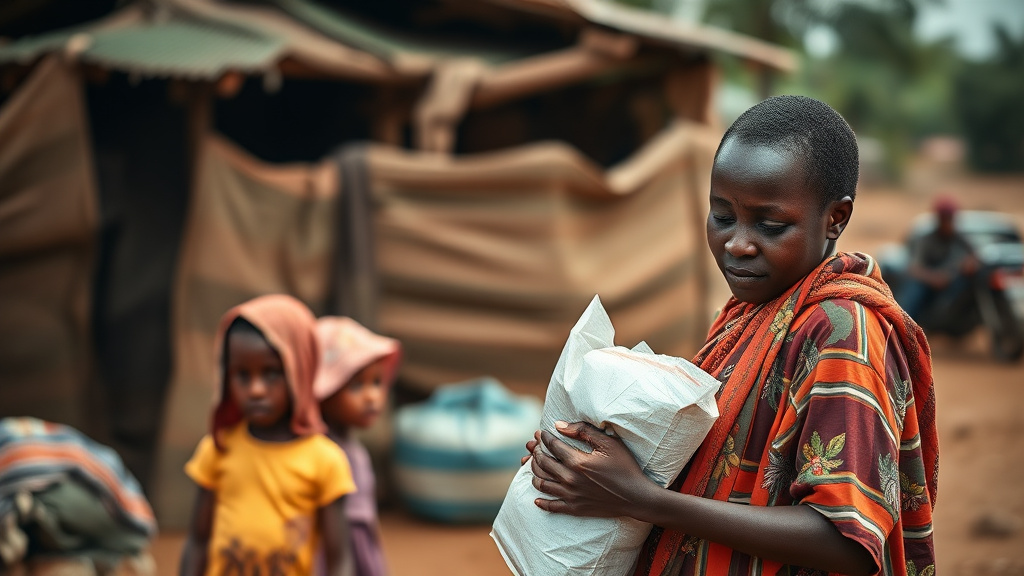
Sub-Saharan Africa confronts an escalating humanitarian emergency as conflict, drought, and economic collapse intersect to create unparalleled suffering. Millions endure acute hunger, displacement, and lack of essential healthcare, pushing fragile health systems to the brink of collapse. This article investigates the escalating emergency across the region, assesses its root causes, and highlights why immediate international aid and coordinated intervention are vital to preventing further devastation and saving countless lives.
Current State of the Situation
Sub-Saharan Africa is experiencing an unparalleled humanitarian catastrophe that demands urgent international attention. Over 280 million people in the area confront acute food insecurity, with nutritional deficiencies hitting alarming levels among children and vulnerable populations. The convergence of armed conflicts, severe droughts, and economic instability has produced a perfect storm, taxing already fragile healthcare and social support systems. Record numbers of displacement have hit record numbers, with millions leaving their communities in pursuit of safety and basic survival necessities.
The humanitarian toll goes far beyond hunger and displacement, impacting nearly every dimension of people’s wellbeing. Disease outbreaks, such as cholera and measles, transmit swiftly through crowded refugee camps lacking proper sanitation and access to clean water. Mental health crises are worsening as populations experience extended psychological trauma and loss. Medical facilities contend with critical shortages of pharmaceutical supplies, skilled workers, and operational infrastructure, necessitating difficult triage decisions that cause many people lacking necessary medical care and care services.
Economic breakdown has devastated livelihoods in the region, forcing families deeper into poverty and desperation. Devalued currency, inflation, and disrupted supply chains make essential goods unaffordable for ordinary citizens. Agricultural production has plummeted due to warfare and climate-related disasters, destroying conventional income streams for farming communities. Without swift intervention and ongoing global assistance, analyses suggest the crisis will worsen significantly, conceivably harming hundreds of millions more individuals across Sub-Saharan Africa.
Primary Causes and Associated Elements
The humanitarian crisis in Sub-Saharan Africa arises out of complex structural issues that have built up over many years. Extended droughts and climate shifts have undermined agricultural productivity, leaving rural communities unable to sustain themselves. Simultaneously, ongoing conflicts and political unrest have displaced millions, interrupting food supply chains and overwhelming local resources. Economic mismanagement and limited infrastructure further exacerbate these vulnerabilities, hindering effective disaster response and recovery mechanisms across the region.
Inadequate governance structures and restricted international investment have established conditions where populations remain extremely susceptible to emergency events. Health infrastructure lack proper financial support and personnel, making infectious diseases especially devastating in areas of conflict. Additionally, persistent poverty sustain malnutrition and stop communities from developing resistance against climate-related disruptions. These interconnected challenges create a dangerous combination where at-risk communities face multiple dangers to their survival, requiring coordinated and pressing aid efforts to end the cycle of desperation.
International Response and Support Efforts
The global community has deployed significant resources to tackle the humanitarian emergency in Sub-Saharan Africa, acknowledging the scale and urgency of the crisis. Global institutions, bilateral donors, and non-governmental organizations have initiated coordinated aid initiatives to provide emergency relief, including food assistance, medical supplies, and shelter. However, financial shortfalls remain significant, with many appeals only partially met. Sustained commitment and increased financial contributions from wealthy countries are essential to scale up operations and reach at-risk communities across impacted areas.
- United Nations agencies delivering emergency food and medical aid
- World Health Organization backing disease prevention initiatives
- Red Cross delivering humanitarian support and disaster response
- Aid from developed countries financing reconstruction initiatives
- NGOs creating mobile clinics and water sanitation facilities
Despite these efforts, logistical challenges and security concerns remain obstacles to aid distribution in areas affected by conflict. Supply chain disruptions, inadequate facilities, and limited entry impede the reach of aid and support to the most vulnerable populations. Cooperation across different groups remains critical to prevent redundancy and enhance effectiveness. Strengthened diplomatic efforts, funding for community development, and long-term development strategies are necessary to tackle underlying issues and develop adaptive capacity in affected communities for enduring reconstruction.
